
Clean Cooking
$0.9B → $5.5B
with policy support
Ethanol stoves replace charcoal and biomass in urban households where LPG is unavailable or unaffordable.
Africa has a $10B annual bioethanol production potential by 2035, spanning clean cooking, road fuel blending, sustainable aviation fuel, and green chemicals. Realising it requires coordinated policy, investment, and standards across the continent.
Ethanol stoves replace charcoal and biomass in urban households where LPG is unavailable or unaffordable.
E5–E20 mandates drive demand for low-carbon fuel, lowering emissions and supporting rural industrialisation.
Alcohol-to-jet pathways position Africa for domestic and export markets as global SAF mandates scale post-2030.
Industrial ethanol for green chemicals and 2G feedstock export across priority markets.
Source: Manufacturing Africa, African Biofuels Market Assessment, February 2026
Africa's bioethanol sector holds significant potential but has operated without the institutional infrastructure that comparable sectors in other regions have had for decades. No single body has coordinated industry players, engaged African governments at scale, or advocated for the enabling policy and financing environment the sector needs.
ABA exists to fill that gap.
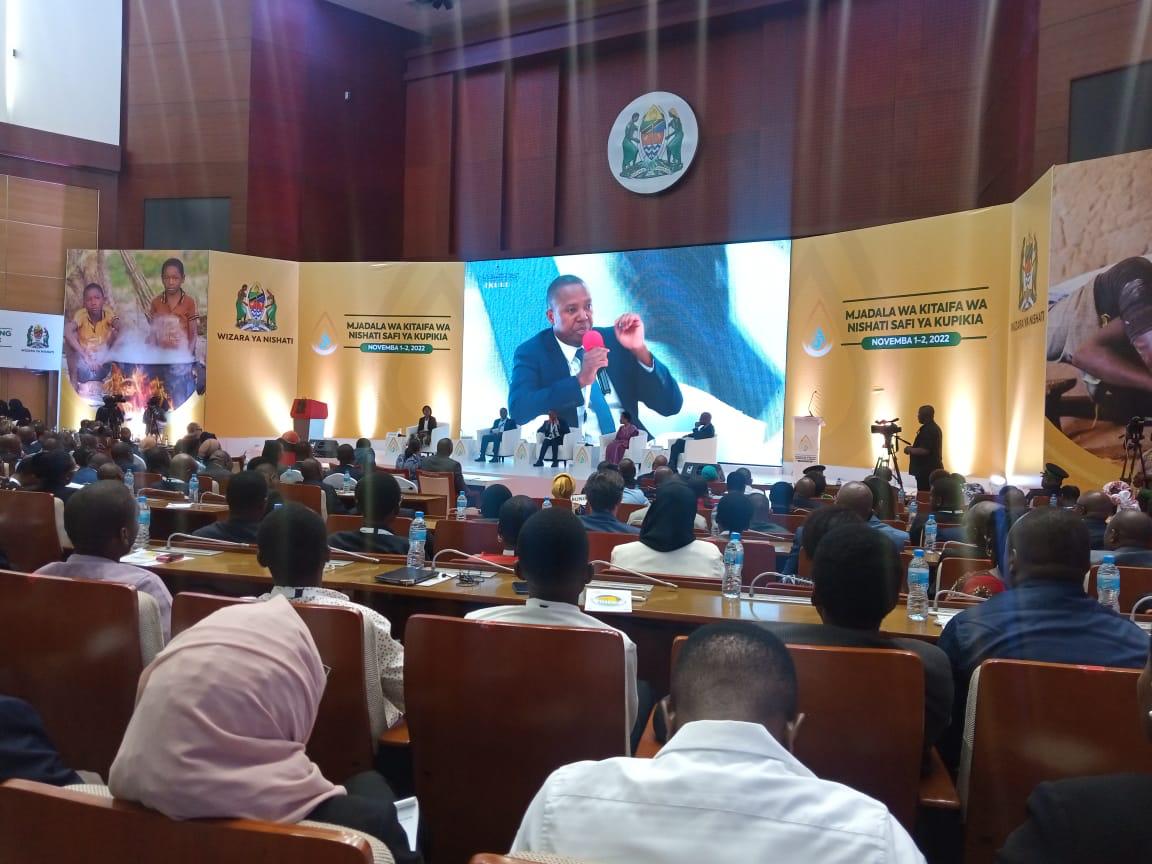
Direct and indirect jobs supported by 2035
Smallholder farmers with structured demand by 2035
Fewer lifecycle GHG emissions than petrol or diesel
Premature deaths annually from household air pollution, borne mostly by African women and children
Source: Manufacturing Africa, African Biofuels Market Assessment, February 2026
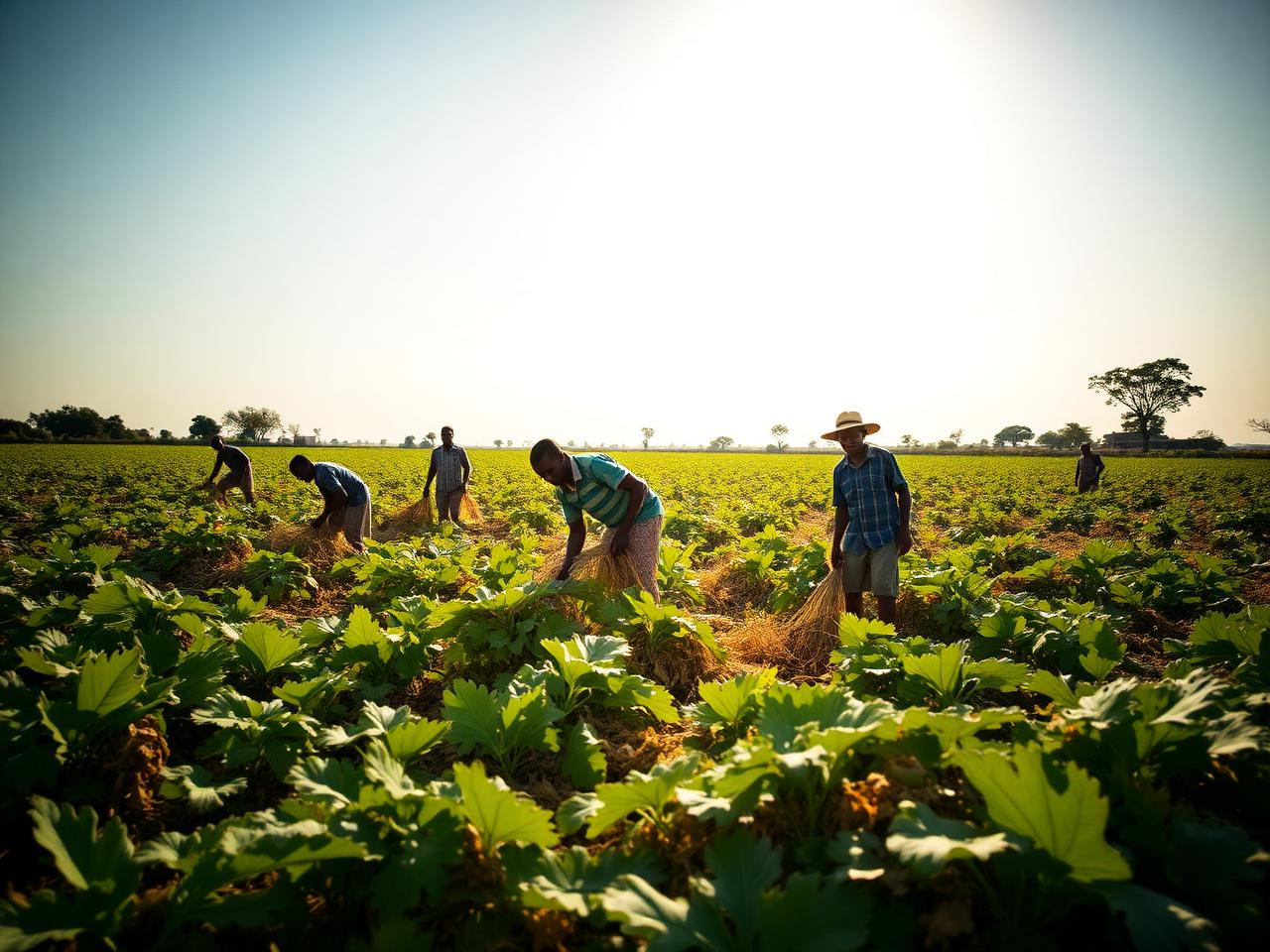
325,000 direct and indirect jobs and structured demand for 2.2 million smallholder farmers by 2035.
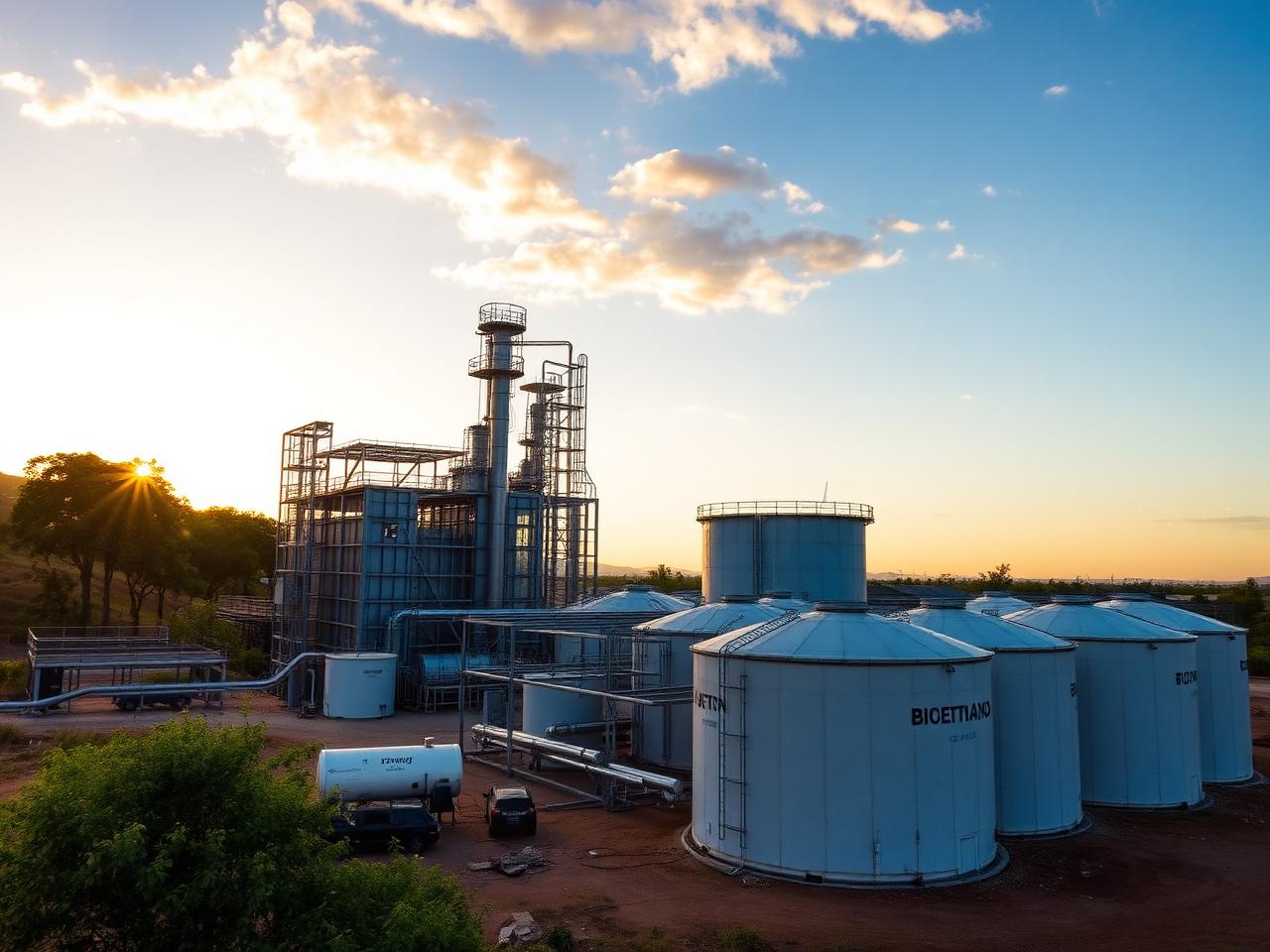
$7 billion projected improvement in Africa's FX balance by 2035 through reduced fossil fuel imports.

Bioethanol delivers over 50% fewer lifecycle GHG emissions than petrol or diesel; eligible under Gold Standard, Verra VCS and CORSIA.
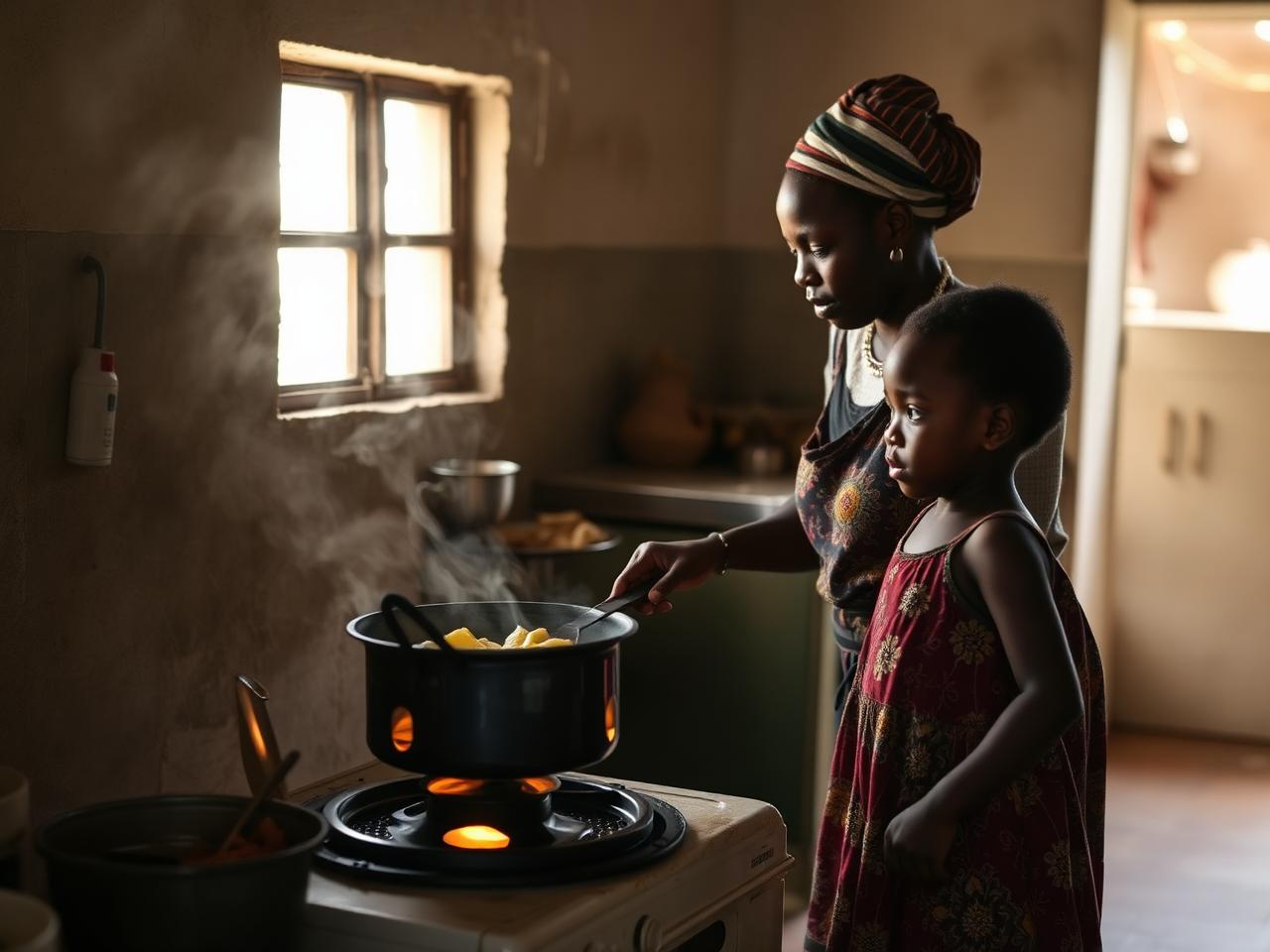
Household air pollution from biomass causes ~3.7M premature deaths globally each year, borne mostly by African women and children.
ABA will expand its activities to additional African markets progressively from 2027.